Alzheimers and the Brain
- Sep 2, 2021
- 2 min read
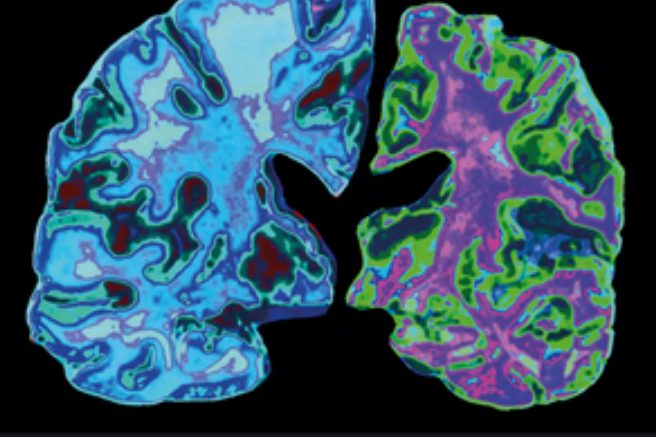
The brain is an organ responsible for coordination of nerve impulses and stimuli, sending messages and communications across our body. Alzheimer's disease interrupts and destroys these communications leading to impairments in cell functions.
Basics of the brain:
The nervous system consists of specialized cells called neurons. These have parts consistent with other cells like the presence of the nucleus, cell membrane and the cytoplasm. The neuron however is adapted with its myelinated ( insulated layer of fat and protein) sheath which allows it to transmit nerve impulses rapidly.
axon : longest fiber of cytoplasm
dendrite : short fibers of cytoplasm, responsible for transmitting impulses.

How a nerve impulse is transmitted :
Nerve impulses are transmitted through synapses which is a junction between two nerve cells, consisting of a gap. When a nerve impulses passes to a neuron, vesicles carrying neurotransmitters move towards the cell membrane. Upon fusing with the cell membrane, neurotransmitters are released and diffused across the gap to the next neuron. At the surface of the next neuron, there are receptors present which neurotransmitters bind to enabling the next impulse to be transmitted. This is only "one way" as receptors are only present on one end of the neuron.

Alzheimer's:
Alzheimer's disrupts the connection between neurons making it difficult for metabolic reactions, repair and impulses to occur. A main cause of Alzheimer's is thought to be the excessive buildup of proteins that deposit and collect in and around synapses and brain cells preventing impulses to transfer.
Beta Amyloid
The beta amyloid protein, coming from the breakdown of the amyloid precursor protein, is involved in Alzheimer's. The beta amyloid -42 which is extremely poisonous starts to collect and clump forming "plaques".
Tangles
Tangles are the buildup and clumping together of a protein called "tau".Neurons contain structures called microtubules necessary to guide the pathway of nutrients. Tau is a protein which binds to these microtubules, stabilizing them. However, changes cause the tau to break way from microtubules and instead bind with themselves, which accelerated causes tangles.
Glia cells
Microglia and glia cells serve the role to remove toxins, deposits and keep the brain clean and healthy. However, in Alzheimer's they are unable to perform this function effectively. The gene TREM2 sends signals to glia cells to remove the amyloid plaques which have formed. Yet, in brains where this gene does not function or is not expressed properly , the glia cells tend to accumulate near neurons. Instead of removing debris they start to release chemicals causing inflammation, further damaging the brain.
As these synapses get affected, the neurotransmitters diffuse also reduces and are unable to bind their respective receptors. The neurotransmitter, acetylcholine , are low in brains with this disease. Slowly, different areas of the brain like the hippocampus associated with memory tend to shrink as the primary cells functions dissolve.
You can see the effect and decreased size of the brain in this picture:

Written By : Khwaish Sethiya


Comments