How cancer is a genetic disease
- Jun 27, 2021
- 3 min read
Updated: Jun 28, 2021
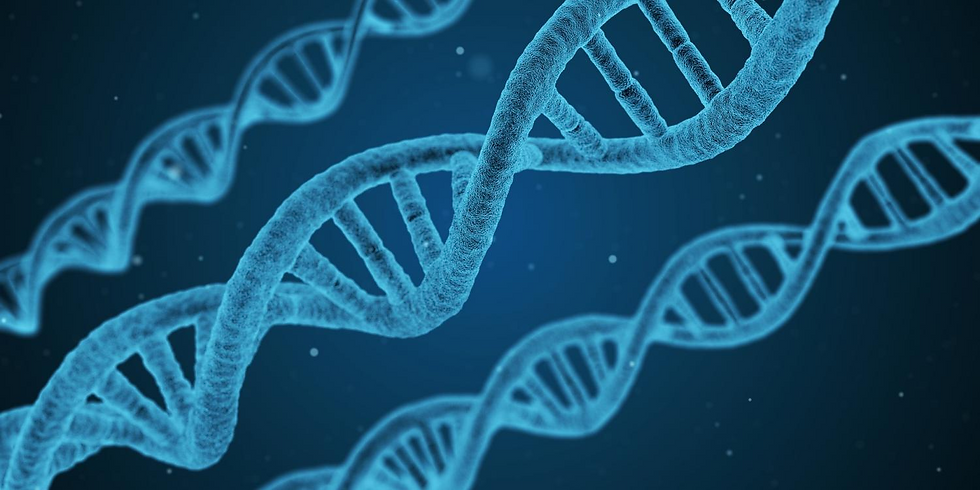
Cancer is a leading cause of death worldwide. It is a genetic disease that occurs due to mutations: a change in the base sequence of DNA. Therefore, these genes are responsible for controlling how cells function, grow, and multiply. Can these cells lose control? What happens then? Uncontrollable cell death. That, in essence, is cancer.
DNA vs Chromosomes vs Genes
DNA stands for deoxyribonucleic acid and is a chemical substance, genetic material, that is inside the nucleus of our cells. It is made up of bases that bind together in a twisted form known as a double helix .There are four main nitrogenous bases: cytosine, adenine, thymine and guanine. These bases are upon a sugar phosphate background. This is inside structures called chromosomes. We have 46 chromosomes and 23 pairs. The last pair determines the sex. There are two sets: one from the egg and one from the sperm. In one chromosome, DNA is arranged in units called genes. These genes contain the code for proteins as well as are important for determining our characteristics that are unique to us. They also are important for the development and functioning of the human body. There are at least 30,000 genes present. A gene is the basic unit of heredity. Although, the DNA genes present in our body are the same the way these genes are written/transcribed into the RNA in specific cells is different and it is known as epigenetics.
The link between genes and Cancer
Cancer is a genetic disease and is causes by the changes in our genes or the "mutations" that occur. These mutations can often cause cells to multiply and grow quickly or even misshape the cell thus destroying its function. Usually, when there is an overgrowth of cells it is known as a tumor. A mutation is a harmful genetic variation that increases the risk of someone getting a disease, in this case cancer. In order for the gene to be cancer inducing, both the copies from mother and father, must be mutated.
Types of genes
● Oncogenes: they promote cancer and uncontrolled growth of cells.
● Tumor suppressors : they protect cells from cancer
● DNA repair genes: these also code for proteins that help prevent DNA from getting damaged.
● Self destruction genes: Through the process of apoptosis, they tell genes to die if they have become old or damaged.
Types of mutations
● Activating mutation: This mutation happens at the wrong time and often leads to a new function; an activating function in an oncogene is harmful.
● Inactivating mutation: A mutation which reduces the function of a gene; an inactivating function in a tumor suppressor is harmful.
● Somatic mutations: These are mutations that happen to all cells of our body(other than sperm and egg) and cannot be inherited by offspring. When our cell divides, DNA replications so there is often quite a possibility that a mistake happens. These can occur due to several reasons : environmental conditions, radiation to radioactive materials or UV rays, tobacco smoke ,carcinogens and even certain substance in food.
● Germide mutations: These are mutations specifically inherited by offspring and are when there are DNA changes in the sperm or egg cell. As an example : women who inherit the BRCA1/2 gene have an increased risk of breast cancer while people who inherit the CDH1 gene have an increased risk of stomach cancer.

Lastly, when the rate of programmed cell death is slower than the rate of the replication of cells the chance of getting a tumor increases.
If you have a history of cancer or in fact any disease it is important to have regular doctor checkups and regulate the amount you smoke, control your intake of carcinogens. Treatments include chemotherapy: where radiation is used to kill cancerous cells however if overused this can kill normal cells too. Immunotherapy facilitated by gene therapy is a new advancement: where in additional genes are incorporated into cells so as to help reduce cell growth for example high antigenic protein genes or cytokine genes which have anti-inflammatory properties.
- Written By: Khwaish Sethiya


Comments